More Than a Vision Test: What Actually Happens During a Comprehensive Eye Exam?
More Than a Vision Test: What Actually Happens During a Comprehensive Eye Exam?
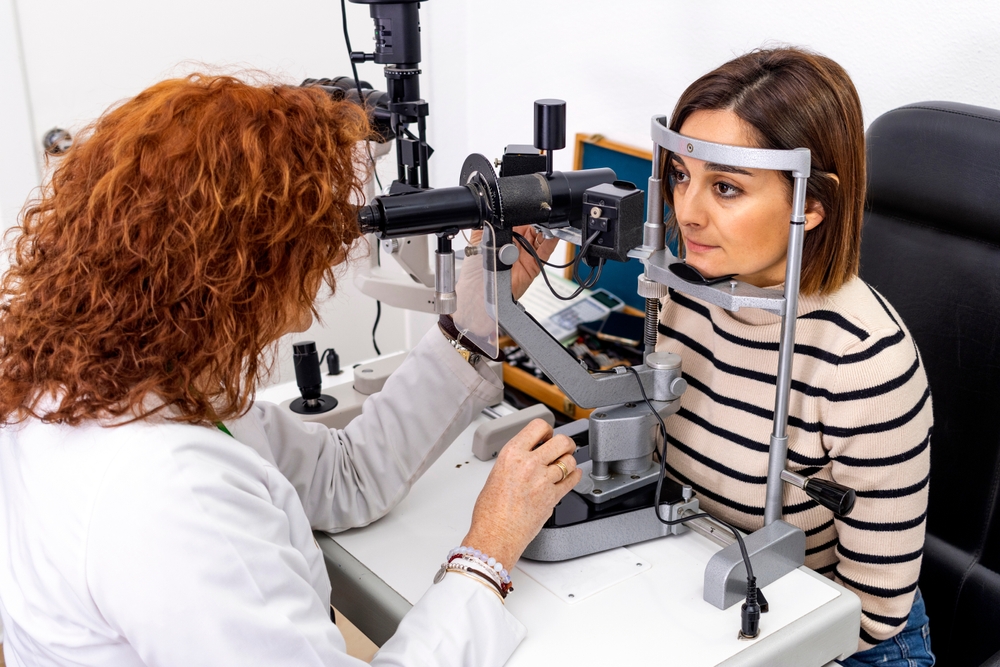
A basic vision screening can tell you whether you can read a line of letters, but it does not provide a complete picture of your eye health. A comprehensive eye exam evaluates how clearly you see, how well your eyes work together, and whether there are early signs of eye disease. At Kolar Vision Center, we use a detailed approach to help patients protect their vision and long-term eye health.
Your Health And Vision History
The exam begins with a conversation. We may ask about changes in your vision, headaches, eye strain, flashes, floaters, dryness, medications, medical conditions, and family history. Conditions such as diabetes and high blood pressure can affect the eyes, so an accurate health history helps us determine which tests may be most important for you.
Measuring How Clearly You See
Visual acuity testing measures how clearly you see at different distances. If your vision is blurry, refraction testing helps determine whether you have nearsightedness, farsightedness, astigmatism, or presbyopia.
During this part of the comprehensive eye exam, you may look through different lens choices while we refine the prescription that provides the clearest and most comfortable vision.
Checking How Your Eyes Work Together
Clear eyesight depends on more than each eye seeing well on its own. A comprehensive eye exam may also evaluate focusing, tracking, eye movement, depth perception, pupil response, and how effectively the eyes coordinate as a team. These tests can help identify issues associated with reading discomfort, double vision, headaches, or visual fatigue.
Evaluating Your Eye Health
We also examine the internal and external structures of your eyes. Depending on your age, symptoms, health history, and risk factors, your exam may include:
• Eye pressure measurement to help assess glaucoma risk
• Examination of the cornea, iris, lens, and other front-eye structures
• Evaluation of the retina and optic nerve
• Pupil dilation or additional imaging when needed
• Testing related to peripheral vision or specific concerns
These evaluations can help detect eye conditions that may develop without noticeable symptoms. Comprehensive eye exams assess both visual function and ocular health rather than focusing only on whether you need glasses.
Discussing Your Results And Next Steps
After testing is complete, we explain the findings and answer your questions. If you need glasses or contact lenses, we can discuss correction options based on your prescription, comfort, and lifestyle.
If we identify an eye health concern, we may recommend monitoring, additional testing, treatment, or a referral when appropriate. Regular eye exams also establish a useful baseline, making it easier to recognize changes in your vision or eye health over time.
Schedule a comprehensive eye exam with Kolar Vision Center to receive personalized care and a complete evaluation of your vision and eye health. Visit our office in Nekoosa, WI, or call (715) 418-8088 today.
Quick Links
Helpful Articles
article_category: restorative
article_category: vision therapy
article_category: contact lenses
article_category: health
article_category: conditions
article_category: eye surgery co-management
article_category: exotic
article_category: cosmetic
article_category: products
article_category: psychiatry
article_category: faqs
article_category: cats
article_category: general
article_category: services
article_category: technology
article_category: dogs
article_category: surgical procedures
article_category: aesthetics
article_category: preventative
article_category: ocular disease management
article_category: eyeglasses
article_category: eye health
article_category: large animal
[]
article_category: vision therapy
article_category: contact lenses
article_category: health
article_category: conditions
article_category: eye surgery co-management
article_category: exotic
article_category: cosmetic
article_category: products
article_category: psychiatry
article_category: faqs
article_category: cats
article_category: general
article_category: services
article_category: technology
article_category: dogs
article_category: surgical procedures
article_category: aesthetics
article_category: preventative
article_category: ocular disease management
article_category: eyeglasses
article_category: eye health
article_category: large animal
[]
Flowbite is an open-source library of interactive components built on top of Tailwind CSS including buttons, dropdowns, modals, navbars, and more.
Check out this guide to learn how to get started and start developing websites even faster with components on top of Tailwind CSS.

All Eye Care Services
Find personalized eye care excellence with our comprehensive services. From eye exams to advanced diagnostics, trust us for all your vision needs.

Keep In Touch
For non-urgent questions or to learn more about our services, contact us today!
© 2026 Kolar Vision Center. All rights Reserved - Accessibility Statement - Privacy Policy - Sitemap
Managed and Designed by 